Guidelines · 4 min read
Brand guidelines: what to include so people actually use them
The best guidelines are short enough to be read and specific enough to settle arguments. What to put in and what to leave out.
By the Brandtune studio · Last reviewed 2 Nov 2026
In short
- Write for someone who was not in the room.
- Cover the mistakes people really make, and nothing else.
- Keep it short, dated and easy to find.
Start with the problem they solve
Guidelines exist so that someone who was not in the room can make a piece that looks right. Write for that person: a freelancer, a store builder or a new colleague.
What to include
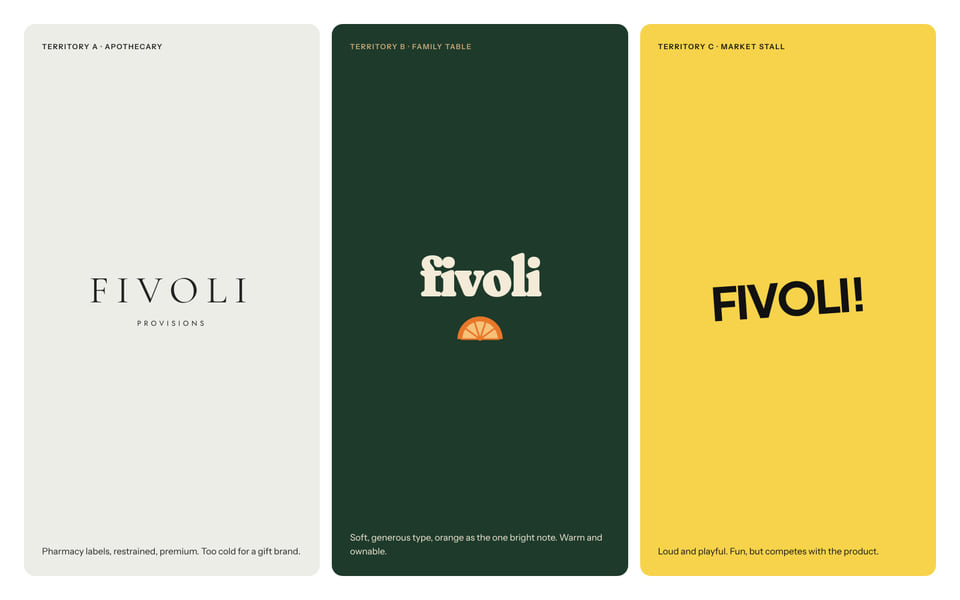
- The idea. What the brand is for, in a few sentences, and its tone.
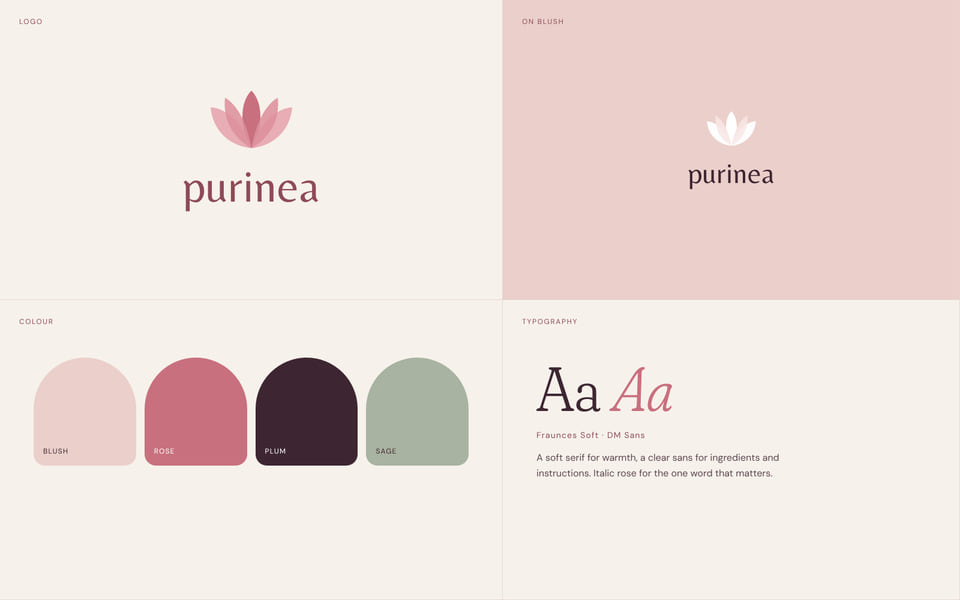
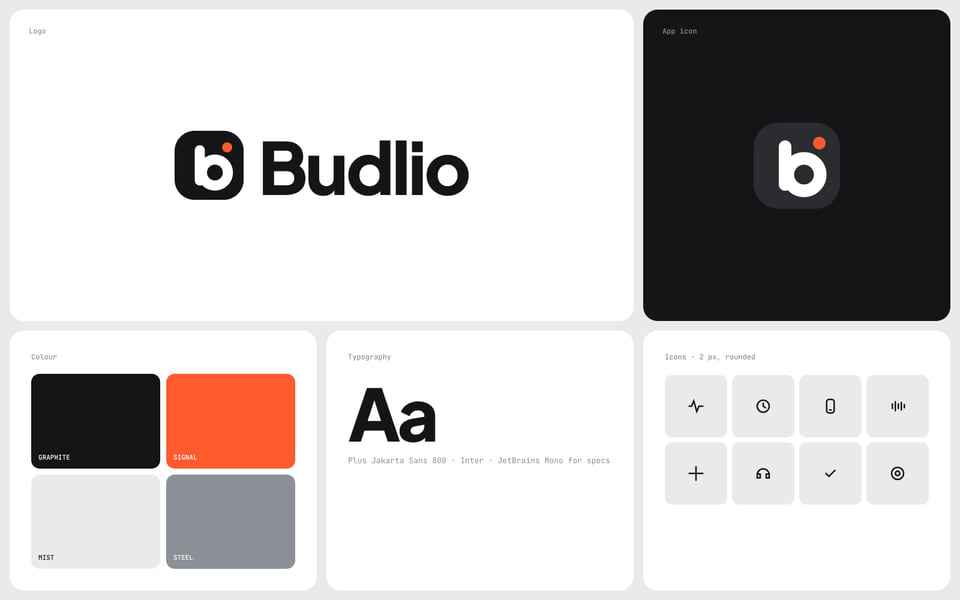
- The logo. Versions, clear space, minimum size and what not to do.
- Colour. Exact values for screen and print, and which colour leads.
- Typography. Typefaces, sizes and a simple hierarchy.
- Imagery. Examples of the right and the wrong kind of photograph.
- Layout. A grid, spacing and one or two example pages.
- Where it is used. The store, email and packaging, each with a short rule.
What to leave out
Long histories of the brand, rules nobody has ever broken and anything that changes monthly. If a rule is not checked, it does not belong.
How long should they be
As long as it takes to cover the mistakes people actually make. For a small brand, that can be a dozen pages. Add chapters when a new channel appears, not before.
Make them findable
Keep the document and its files in one place, give it a version date and name an owner. A guideline nobody can find is a guideline nobody follows. If your pieces already drift apart, an audit comes first.