Identity · 4 min read
Refresh or rebuild? Five signs that tell you which
Most companies don't need a new brand. They need the one they have to work properly. Sometimes, though, fine-tuning is not enough.
By the Brandtune studio · Last reviewed 2 Nov 2026
In short
- A rebuild changes what you are; a refresh changes how you show up.
- Five signs point to the right choice.
- Both start by putting every touchpoint on one wall.
The choice
A rebuild is expensive, slow and asks your customers to learn you again. A refresh keeps what people already recognise and fixes what gets in the way. The hard part is knowing which one you need. These five signs help.
1. People get your name wrong
If clients misspell it, mispronounce it or confuse it with a competitor, no new logo will fix that. It is a naming problem, and it asks for a rebuild of the foundations: the name, and the story that goes with it.
2. Your business has moved on and your brand hasn't
A company that began with one product and now offers three services often still looks like the first product. When the brand describes your past, start with strategy. The visuals come after.
3. Every piece looks slightly different
The website uses one violet, the decks another, social posts a third. The brand isn't broken; it has drifted. A refresh with clear, short guidelines usually solves it.
4. The logo disappears at small sizes
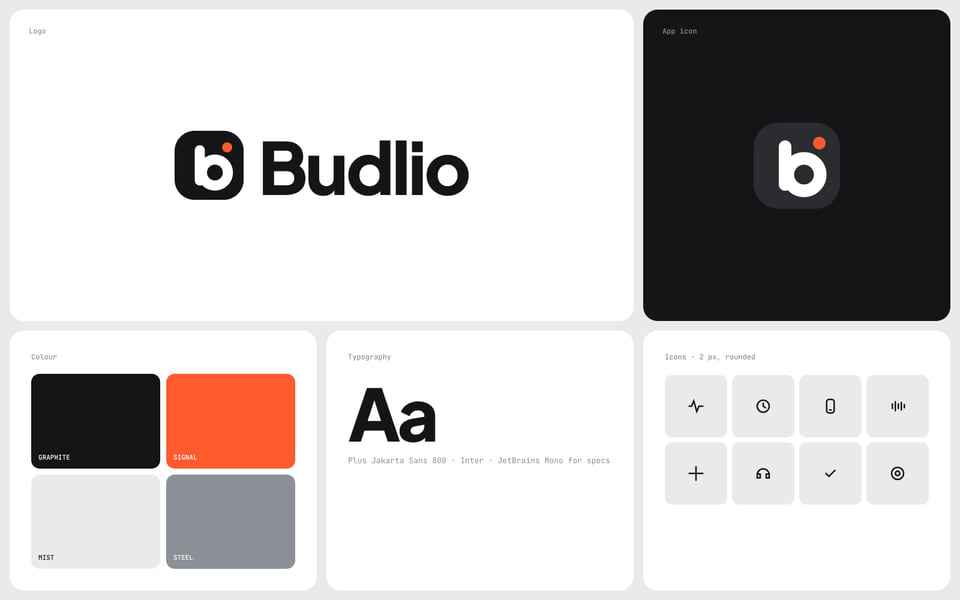
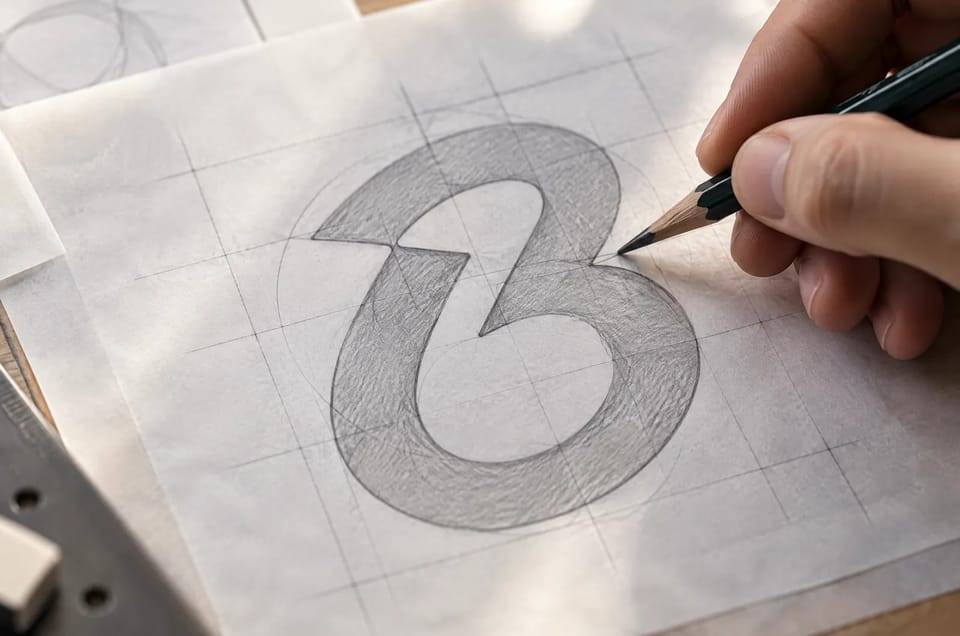
A mark that turns into a smudge as an app icon or a browser tab needs redrawing, not replacing. Keep the shape people recognise and simplify the rest.
5. Your website can't explain what you do in ten seconds
This is rarely an identity problem. It is structure and copy: what you do, for whom, and how to start. Fix the message first, then decide whether the look needs to change.
A simple rule
If the problem is what you are, rebuild. If the problem is how you show up, refresh.
Rebuild or refresh, at a glance
- Rebuild when the name, the positioning or the business itself has changed.
- Refresh when the foundations are right but the pieces don't match, or the mark fails in use.
Where we start
In both cases we start the same way: we put every touchpoint you have on one wall, from the website to the invoice template, and look at it with you.