Ecommerce branding
Ecommerce branding: your identity and your store, designed as one
Branding built for a brand that sells online: the identity and the store designed together, so the mark, the type and the voice are already working on the product page, the cart and the parcel.

What the ecommerce branding project covers.
Agreed in writing before design starts, so you know what is in the project and what is not.
- One brief for brand and store
We write down what the brand must say and what the store must do before any design starts, so neither one is decided without the other.
- Identity designed for screens first
Symbol, logotype, type and colour tested on a phone, on a product thumbnail and in a search result, then on pack.
- Store structure and templates
Navigation, collections and product pages planned around the identity and the way your customers choose.
- Voice for the places people read
Product names, buttons, delivery messages and emails, so the brand sounds like itself where the sale happens.
- One system, written down
Brand guidelines and the web design system as a single document, so new products and campaigns keep the same hierarchy.
What you receive at the end.
What you receive at the end of the project.
- Identity: logo files, colour, type and key applications
- Store map and designed templates for home, collection, product and cart
- One guideline document that covers brand and store
- Assets prepared for the build and for packaging and social
- A handover session with whoever builds and runs the store
How the project runs.
Four steps, each with something you can approve before the next one starts. The schedule for each is written into the proposal.
Understand
The brand you want to build, who buys it and how they find and compare it online.
One brief for identity and store.
Direction
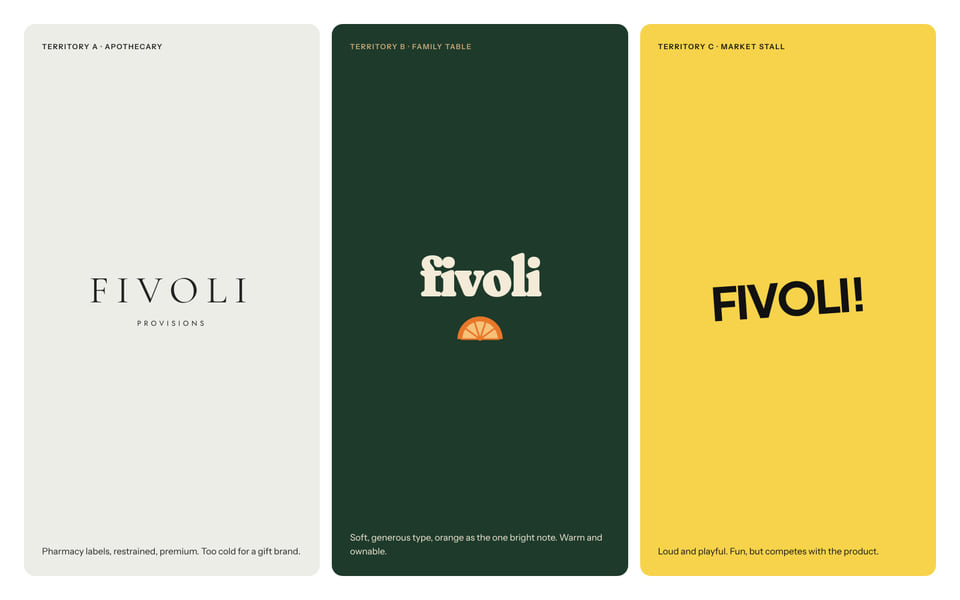
Two or three routes, each shown on a pack and on a product page, so the choice is made on the real use.
The chosen route, agreed in writing.
Design both
The identity and the store templates developed side by side, adjusting one when the other needs it.
The identity and the designed templates.
Prepare the launch
Files, rules and a walkthrough for the people who build the store and produce the pack.
A launch-ready handover.
The same idea, on the pack and on the page.
Each route is shown in the places a buyer meets it, so the choice is made on the real use and not on a logo on white.
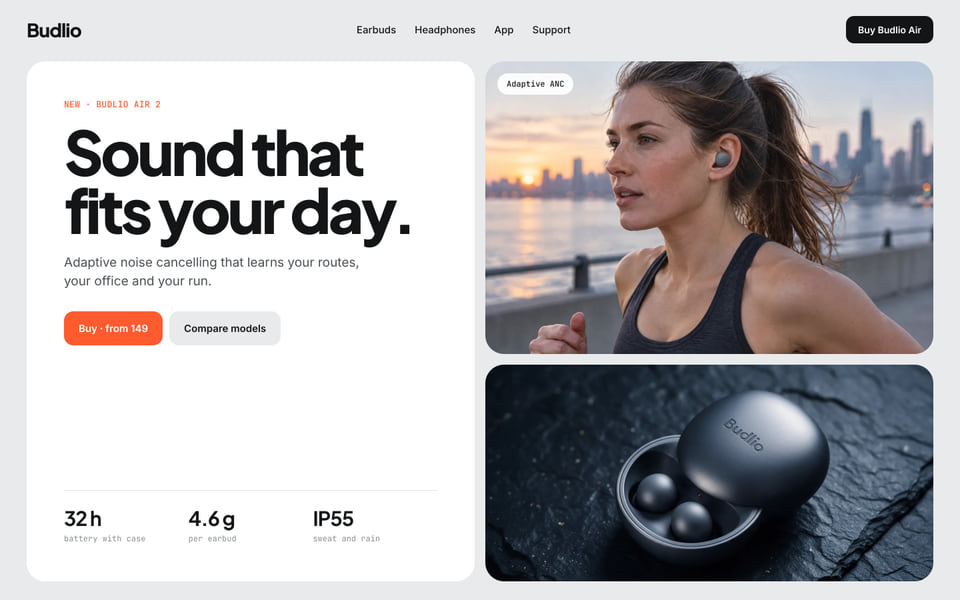
Related work.
Self-initiated studio concepts, each with its identity, applications and website.
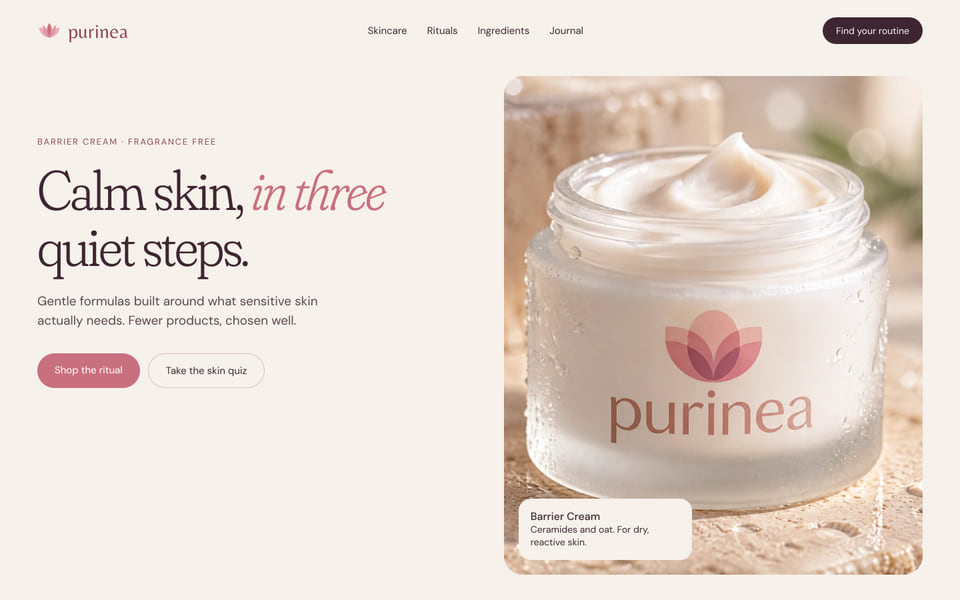
Common questions
About ecommerce branding
What is ecommerce branding?
It is building a brand knowing from the start that it will be bought online: the identity has to work as a small image in a feed, on a product card and on a phone, as well as on a pack.
Why design the brand and the store together?
Decisions in one change the other. A colour that looks right on a pack can fail on a product page; a store structure can suggest a name or a range. Together, they are tested against each other before they are final.
Can we start with the identity and add the store later?
Yes. The identity is designed to be used in a store from the first day, so the store can follow when you are ready. See brand identity for that project alone.
We already have a store. Can you brand around it?
Yes. We start from what you sell and how customers buy today, and the identity is built to fit the store you have or the one you plan to rebuild.
Which platform do you design for?
The templates are designed for the platform the store runs on.
Do you build the store or only design it?
Design is always included. Who builds it is agreed in the proposal.
How long does an identity and store project take?
The schedule is written into the proposal before anything starts.
Also as one project
Brand identity, planned with this one.
A name, a mark and a system that a consumer brand can put on a pack, a shelf, a campaign and a product page without losing its voice.
Tell us about the brand and the store.
A short request, a call to agree what both need, then one proposal with scope and schedule in writing.
Scope and schedule in writing before design starts.
- 01You tell us about the project in a short request.
- 02A short call to agree what the project needs.
- 03A proposal with scope and schedule in writing.